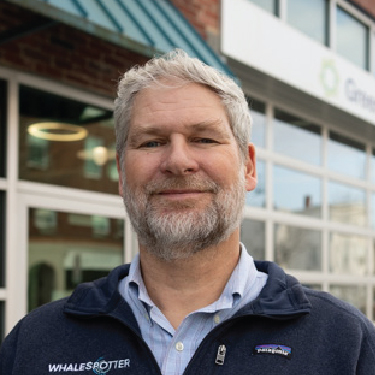
Shawn Henry brings over 30 years of experience in bringing technology products to market. He has founded and scaled multiple startups into successful companies through both organic growth and acquisition. As CEO, he oversees all commercial operations, including product development, manufacturing, and execution.
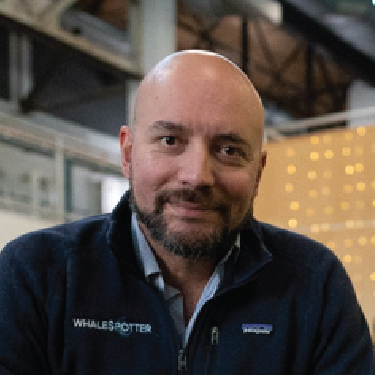
Dr. Daniel Zitterbart has been researching surface-based methods for marine life detection since 2009 as an Associate Scientist at Woods Hole Oceanographic Institution. As a co-founder and Chief Scientist of WhaleSpotter, he brings deep scientific expertise and continues to advance techniques for real-time mammal monitoring.

Dr. Sebastian Richter has been developing autonomous megafauna observation systems since 2010. As Co-founder and Chief Technology Officer, he brings more than a decade of experience operating remote sensing technologies at global scale, from emperor penguins to marine mammals. At WhaleSpotter, Sebastian leads technology development, ensuring the system's reliability, performance, and readiness for real-world marine operations.
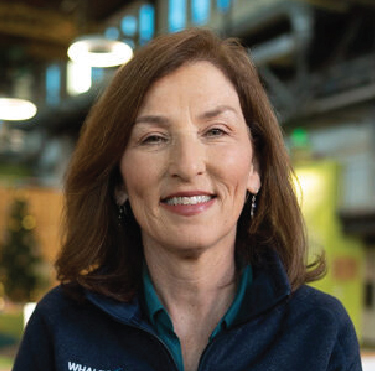
Theresa McLaughlin brings decades of global marketing and brand leadership to our mission. Renowned for transforming customer experiences and driving growth through data-driven strategy, she has led award-winning brand initiatives recognized with an Emmy, a Cannes Lion, and multiple EFFIE Awards. At WhaleSpotter, Theresa leads the company’s marketing vision – strengthening brand recognition, deepening customer engagement, and building scalable systems that align innovation with measurable business impact.

Karen Benedetti brings more than 30 years of marketing leadership experience helping financial services, mission-driven organizations, start-ups, and other businesses define and achieve their goals, from strategy through tailored marketing and sales solutions. Karen has a strong passion to serve customers and communities to help them thrive.
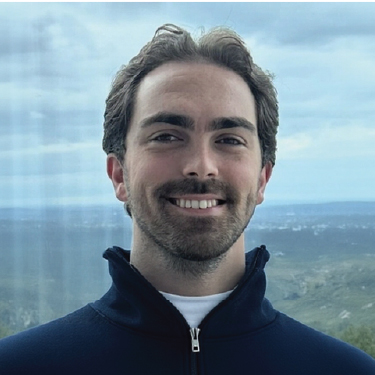
Conor Byrne holds a degree in Mechanical Engineering from Northeastern University and has worked across several sustainability-focused startups, including Form Energy and Boston Materials. At WhaleSpotter, he contributes across hardware, electrical systems, and operations to help bring new technologies to life.
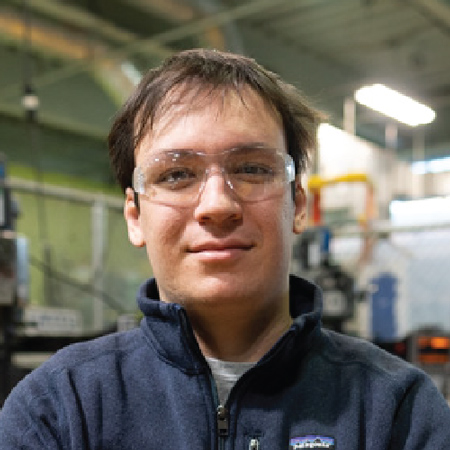
Owen Chiu is pursuing his degree in Mechanical Engineering from Northeastern University and has worked across a variety of industries in the Boston area, from consumer devices to bioprocess equipment to robotics. At WhaleSpotter, he works at the intersection of hardware and electronics to accelerate innovation.

Alex Doherty is pursuing his degree in Mechanical Engineering at Northeastern University and has experience spanning bioengineering and product design in the Boston area. At WhaleSpotter, he contributes across both hardware and electrical systems to support the development of new technology.

Ethan Fantl is a Software Engineer with a degree in Computer Science from Colorado State University. Coming from a background developing site reliability in aerospace launch systems and satellite networking, Ethan is responsible for supporting infrastructure and automation at WhaleSpotter.
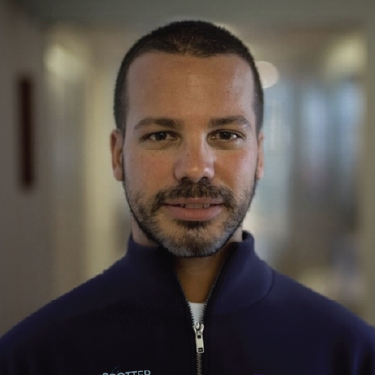
Dr. Aymeric Houstin is a conservation-focused scientist with global field experience—from the poles to Africa to North America. As head of the ‘Spotters’ team, he ensures the delivery of high-quality whale monitoring services while enabling the safe continuation of marine operations.
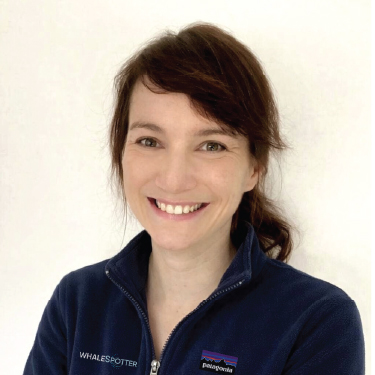
Dr. Julia Schottenhamml brings valuable expertise in machine learning and computer vision to WhaleSpotter. With a PhD in Computer Science, she focuses on developing AI algorithms that improve how we monitor and protect marine species, helping us create smarter solutions for marine conservation.
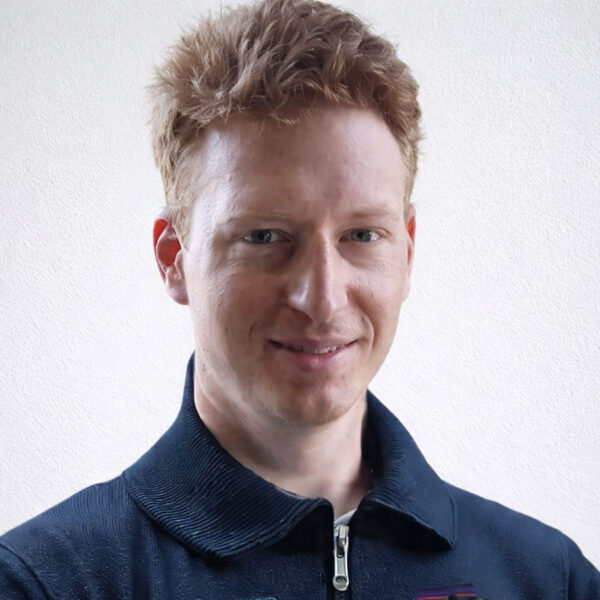
Dr. Alexander Winterl combines a strong scientific foundation with practical engineering skills to develop AI-powered tools for wildlife detection and environmental monitoring. With deep expertise in machine learning, computer vision, and real-time systems, he has played a key role in building WhaleSpotter’s image analysis and data infrastructure from its inception.