Blue Economy News reports on a global initiative inviting major cruise lines to reduce speeds and adopt practices that protect whales and fragile marine ecosystems, a critical step for sustainable ocean travel.
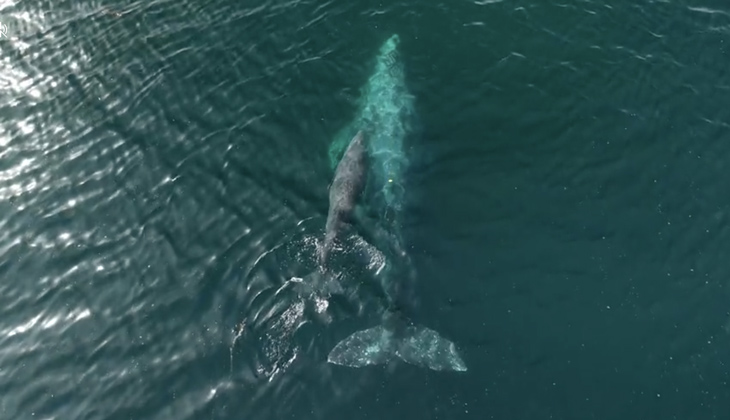
Watch the viral footage capturing a small boat driving directly over a whale and its calf near the coast of New South Wales, an incident that highlights the dangers vessel traffic poses to marine mammals and the need for increased boating awareness.
Click to learn about an unprecedented survey with 33 endangered right whales observed in one day, a hopeful sign for this rare species and a call to protect their habitat.
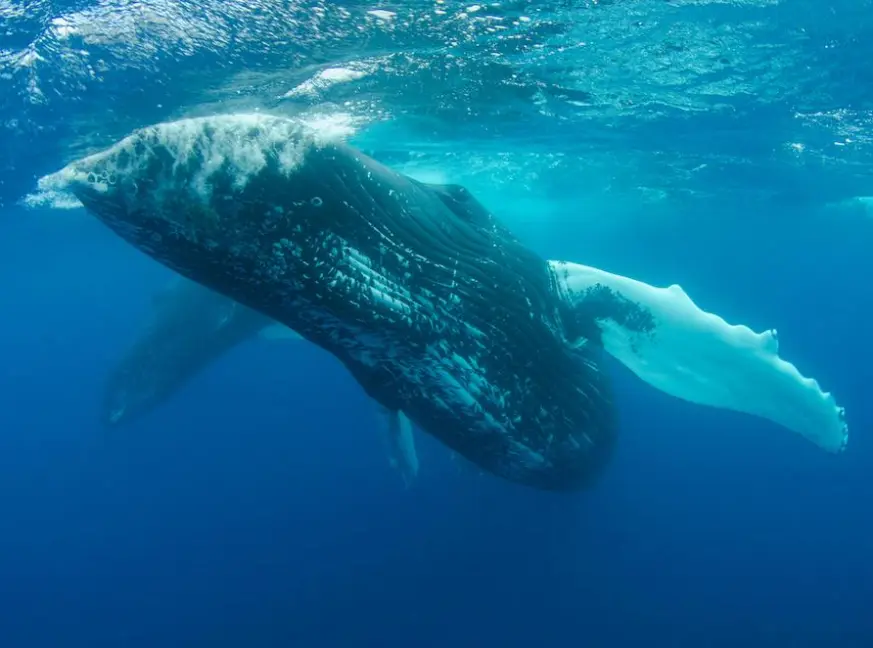
Read about a young humpback whale nicknamed “Oil Change” that washed ashore dead in Delaware, and the dangers whales face from ship strikes along the East Coast.
Read how authorities and marine biologists are responding to back-to-back whale deaths off New Jersey and Delaware beaches and what the investigations aim to uncover.
Blue Whales Blue Skies highlights California’s new state legislation aimed at safeguarding blue whales, reducing ship strike risks, and cutting air pollution, a major win for ocean and climate protection.
Read the latest on the heartbreaking death of a juvenile humpback whale that became stranded on Long Beach Island, New Jersey, and what responders and marine experts are saying about the incident.
Learn how a growing number of whales, including humpbacks and endangered species, are feeding near busy New York waters and facing deadly collisions with commercial vessels, and why conservation experts are sounding the alarm.
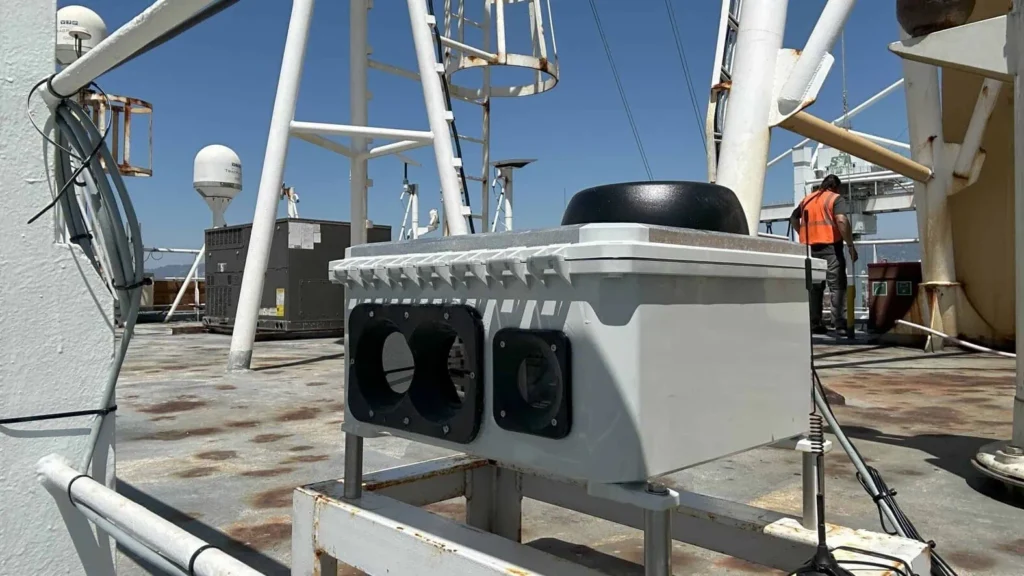
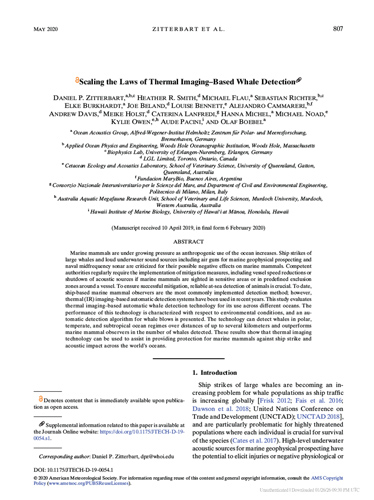
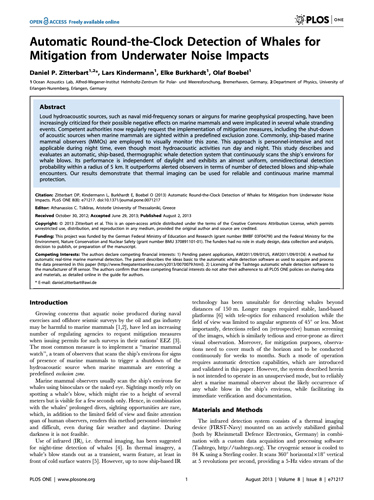
Happy Eco News explains how the WhaleSpotter AI-powered system uses thermal imaging and machine learning to spot whales up to miles away and alert ship crews in real time, reducing deadly vessel strikes and boosting marine protection.
Alaska Public reports how AI, thermal imaging, and marine observers are being used by shipping companies like Matson to detect whales near vessels and reduce deadly ship strikes in Alaska waters.
AK Biz Magazine reports on Matson’s rollout of advanced WhaleSpotter AI and thermal imaging systems on commercial vessels designed to help crews spot whales early and reduce deadly collisions at sea.
Matson, Inc. is partnering with WhaleSpotter to deploy an innovative AI and thermal imaging system developed at WHOI that helps ships detect whales in real time and reduce the risk of deadly collisions at sea.
Explore how the WhaleSpotter system uses AI and thermal imaging to help vessels detect whales in real time, a major step forward for reducing deadly ship strikes and protecting marine giants.
Learn how the Woods Hole Oceanographic Institution and Matson are deploying advanced thermal imaging whale detection systems on commercial vessels to alert crews in real time and help protect marine mammals from collisions.